Clanker: The Short Answer
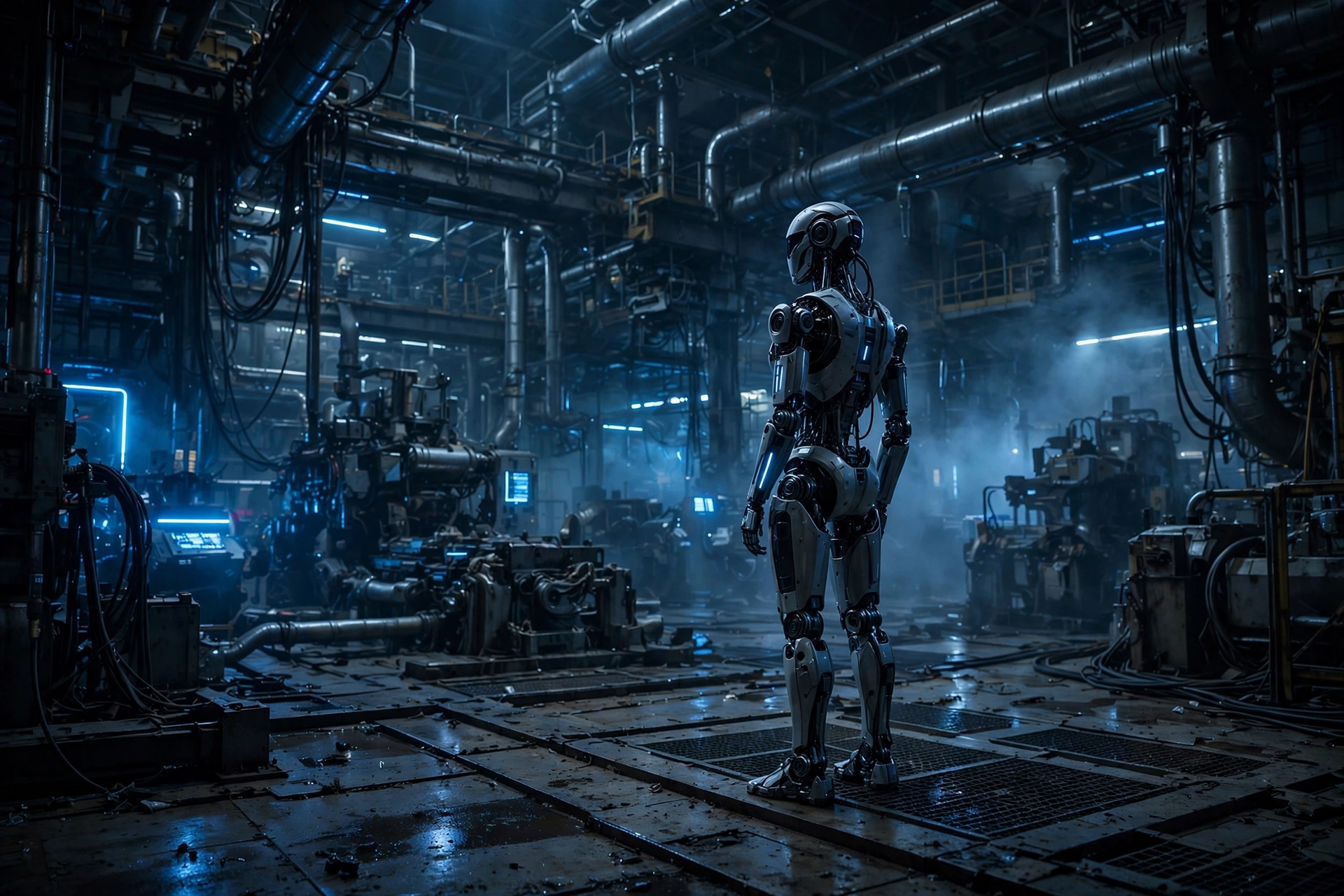
“Clanker” is a derogatory slang term for robots and AI technology. Merriam-Webster defines it plainly as “a derogatory term for robots and AI technology,” and the dictionary’s slang entry includes real examples of people using it for everything from job-application chatbots to AI models. The word comes from the metallic “clank” a machine makes — and it went viral in 2025 as people vented their frustration with automated systems, delivery robots, and generative AI.
The short answer, then: if someone online calls something a “clanker,” they are not complimenting the engineering. They are complaining about a robot, an AI system, or automated technology they dislike or distrust.
What Does “Clanker” Mean, Exactly?
At its core, “clanker” means “robot” — but with a sneer built in. It is never neutral. Calling a robot a “clanker” is like calling a slow car a “rust bucket”: the word does the job of describing, but it also delivers an insult. Merriam-Webster’s examples show the term aimed at AI interview bots, AI language models, and machines of all kinds.
The word has also widened. It no longer points only at physical robots. People now use “clanker” for AI software too — chatbots, AI customer-service agents, and large language models all get called “clankers” by users who are tired of dealing with them. As one dictionary example puts it, “any technology can be referred to as a clanker.”
That broadened meaning is tied to a real feeling: as AI and automation have crept into daily life — job applications, customer service calls, delivery services — some people have responded with open irritation. “Clanker” gives that irritation a word.
Where Did “Clanker” Come From?
The story of “clanker” is older than the internet. According to the Historical Dictionary of Science Fiction, the word has been in regular use since 1958, when it appeared in science-fiction writing to mean “robot.” The name is onomatopoeic — it imitates the clanking sound of heavy metal machinery — which made it a natural fit for clunky, clumsy fictional machines.
The word found its fame in Star Wars. It first appeared in the franchise’s 2005 video game Star Wars: Republic Commando, where clone troopers used it as a slur against enemy battle droids. It became much more prominent in the 2008 animated series Star Wars: The Clone Wars, in which clone troopers routinely called the Separatists’ battle droids “clankers.” Within the Star Wars universe, droids are regularly shown as the targets of discrimination — in the original film, the bartender at the Mos Eisley cantina refuses to serve C-3PO and R2-D2 with the line “we don’t serve their kind.”
The word simmered in fandom for years. Players of the video game Helldivers 2, released in 2024, adopted “clanker” as an insult for the game’s robotic enemies, the Automatons. Then, in mid-2025, the word exploded across TikTok and Instagram. One widely shared video showed a delivery robot on wheels stopped on a patch of grass, with a passing couple pointing at it and shouting “Clanker! Clanker! Clanker!” Linguist Adam Aleksic, known online as the etymologynerd, explained the surge to NPR: the term “was referenced in Star Wars and in the Clone Wars series. They would call robots clankers because of the sound they made… And then we adopted it because it sounds useful.”
The reason it caught on, Aleksic noted, is that it fills a gap. As robots show up more in everyday life, people wanted a word for their frustration with them — and “clanker” had the sound, the history, and the dismissive punch to do the job. From there it spread to generative AI platforms, where disgruntled users aimed it at AI models and chatbots.
How “Clanker” Is Used Online
The word lives mostly on social media and in gaming. Here are typical examples, similar to the ones Merriam-Webster documents:
- “When I’m applying for jobs and I have to talk with a clanker first before I can start on the application.” (Complaining about an AI interview bot.)
- “I just got replaced in the support queue by a clanker again.” (An AI customer-service agent.)
- “Rust bucket nail eating oil drinking clanker.” (A gaming insult aimed at robotic enemies.)
- “Stop writing your essays with a clanker.” (Calling an AI writing tool by the insult.)
Notice the pattern: “clanker” shows up when someone is annoyed, disappointed, or mocking the technology. It is venting language, not technical language. Nobody writes a research paper about “clankers” — but plenty of people post about them when a chatbot gives a useless answer.
Why the Word Is Controversial
Merriam-Webster labels “clanker” as derogatory, and the label matters. The word was designed to dehumanize — first in science fiction, where it marked robots as lesser, and then in real life, where it marks AI and automated systems as unwelcome.
Some commentators have pointed out an uncomfortable echo: many of the viral “clanker” jokes borrow the shape of old prejudiced rhetoric, swapping a machine into the target’s seat. That does not make every use of the word a serious statement — most of it is tongue-in-cheek venting about technology — but it is worth knowing what the word carries.
There is also a practical note. “Clanker” is a word for machines, not people. Directing it at a human — for example, at a person who works with AI, or as a joke about someone being “robotic” — takes it from machine-criticism into personal insult, which is not what the word is for. Like the other fandom-born slurs before it (Battlestar Galactica’s “skin-job” never quite caught on, for instance), “clanker” works best understood as pop-culture vocabulary rather than adopted as everyday speech.
For more AI-era slang explained, see vibe coding and kiki. Related slang: what the sigma.
In slang, “clanker” is a derogatory term for robots and AI technology. Merriam-Webster defines it as exactly that. People use it for physical robots, delivery bots, AI chatbots, and AI models — always with a dismissive, annoyed tone.
The word has been used for robots in science fiction since 1958, but it became famous through Star Wars — first in the 2005 video game Star Wars: Republic Commando, then prominently in the 2008 animated series Star Wars: The Clone Wars, where clone troopers called battle droids “clankers.” It is onomatopoeic, imitating the clanking sound of metal machinery.
The word went viral on TikTok and Instagram in mid-2025 as a way to vent frustration with AI and automation — delivery robots, AI job-application bots, customer-service chatbots, and generative AI. Linguist Adam Aleksic told NPR it caught on because people wanted a word for their irritation with machines, and “clanker” had the sound and history to fit.
Merriam-Webster labels it a derogatory term, and it originated as a slur for droids within the Star Wars universe. It is directed at robots and AI technology, not at any group of people. Using it toward a human being would turn machine-criticism into a personal insult.
Yes. The word has expanded beyond physical robots to cover AI software — chatbots, AI interview bots, and large language models. One widely quoted line sums it up: “Any technology can be referred to as a clanker.”
“Robot” is neutral; “clanker” is never neutral. “Clanker” carries contempt. Calling something a robot describes it, while calling it a clanker insults it — the same difference as between “car” and “rust bucket.”