
Have you ever written tryed and wondered whether it should actually be tried? You are not alone. This spelling mistake is extremely common among students, professionals, bloggers, and English learners because the word appears simple at first glance.
Many people assume that adding -ed to the verb try naturally creates tryed. However, English spelling rules work differently for verbs ending in the letter y.
Using the wrong form can make writing appear unprofessional and may create confusion in academic, business, or online communication. The good news is that the rule behind this spelling is straightforward once you understand it.
In this guide, you’ll learn the difference between tryed and tried, why one spelling is correct, the grammar rule involved, practical examples, common mistakes, and expert tips to help you use the correct form confidently every time.
Quick Answer
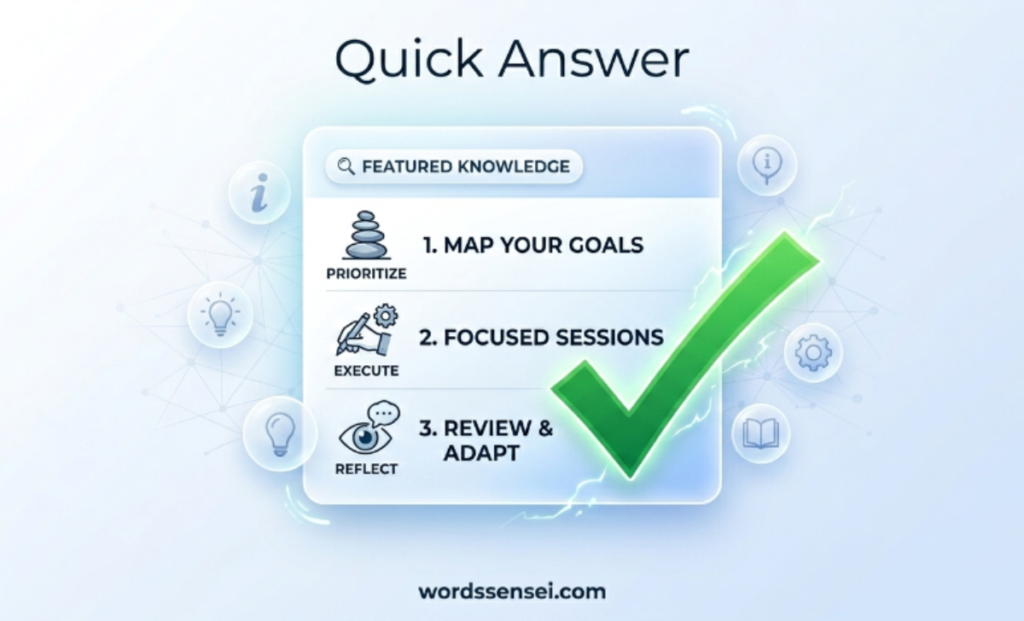
The correct spelling is tried.
- Tried is the past tense and past participle of the verb try.
- Tryed is not considered correct in modern English.
Correct Examples
- I tried calling her yesterday.
- We tried several solutions before finding the answer.
- She tried a new restaurant last weekend.
- They tried to complete the project on time.
Incorrect Examples
- I tryed calling her yesterday. ❌
- We tryed several solutions. ❌
Quick Rule
When a verb ends with a consonant + y, change the y to i before adding -ed.
Try → Tried
What Does Tried Mean?
The word tried is the past tense and past participle form of the verb try.
It refers to making an effort, testing something, attempting an action, or experimenting with a method in the past.
Common Meanings
- Attempted
- Tested
- Examined
- Experimented with
- Made an effort
- Pursued
Examples
- I tried to learn French during the summer.
- She tried every possible solution.
- The company tried a new marketing strategy.
- Scientists tried different methods to improve the results.
The word is widely used in everyday conversations, academic writing, journalism, business communication, and professional documents.
Is Tryed a Real Word?
In standard modern English, tryed is considered incorrect.
Major dictionaries, grammar resources, educational institutions, and style guides recognize tried as the proper past tense form.
Why People Write Tryed
Writers often make this mistake because they follow a simple pattern:
- Walk → Walked
- Jump → Jumped
- Call → Called
They assume:
- Try → Tryed
However, verbs ending in consonant + y follow a different spelling rule.
Why Does Try Become Tried?
The answer lies in one of the most important English spelling conventions.
The Y-to-I Rule
When a verb ends in:
Consonant + Y
change the Y to I before adding -ed.
Examples
| Base Verb | Correct Past Tense |
| Try | Tried |
| Cry | Cried |
| Carry | Carried |
| Study | Studied |
| Apply | Applied |
| Reply | Replied |
| Worry | Worried |
| Fry | Fried |
Because try ends with the consonant r followed by y, the rule applies.
The Origin of the Word Try
Understanding a word’s history often helps explain its modern spelling.
Historical Background
The word try entered English through Anglo-French influences and originally referred to testing, examining, or judging something.
Over centuries, English spelling conventions standardized how verbs ending in y form their past tense.
As a result, tried became the accepted form in modern English.
Why the Rule Exists
The spelling change improves readability and pronunciation.
Without the change, words such as:
- Tryed
- Cryed
- Carryed
look awkward and do not align with established English conventions.
British English vs American English
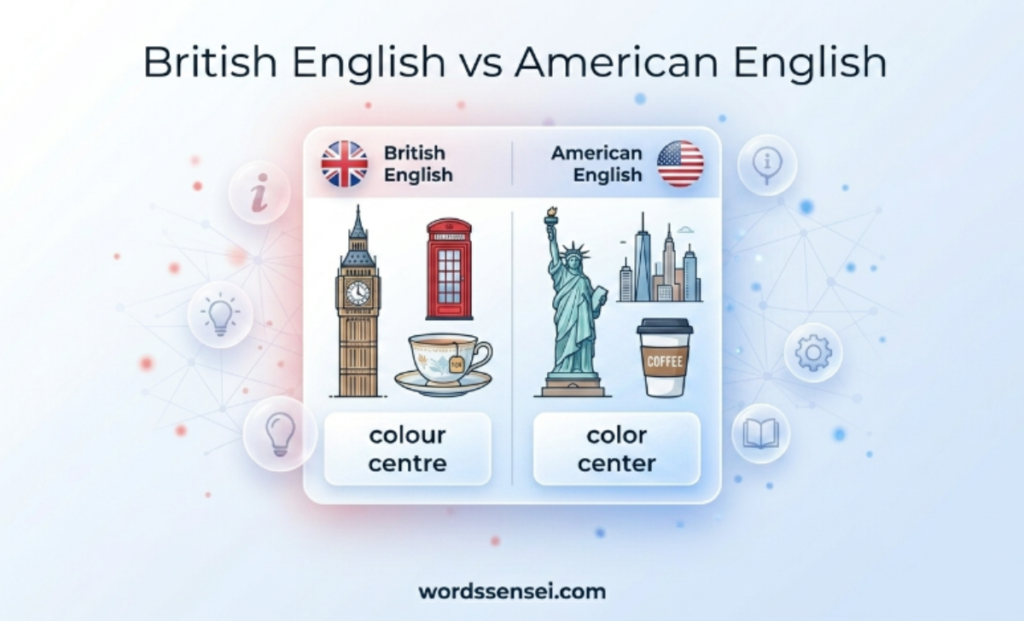
Unlike some spelling disputes, there is no regional difference here.
Comparison Table
| Feature | Tried | Tryed |
| British English | Correct | Incorrect |
| American English | Correct | Incorrect |
| Canadian English | Correct | Incorrect |
| Australian English | Correct | Incorrect |
| Formal Writing | Correct | Incorrect |
Across major English-speaking countries, tried remains the accepted spelling.
Tryed vs Tried
Side-by-Side Comparison
| Feature | Tried | Tryed |
| Correct Spelling | Yes | No |
| Dictionary Recognition | Yes | No |
| Past Tense of Try | Yes | No |
| Academic Writing | Yes | No |
| Professional Writing | Yes | No |
| Everyday Usage | Yes | No |
Quick Summary
If you are referring to an attempt made in the past, always use tried.
Which Spelling Should You Use?
The answer is simple.
Students
Use tried in assignments, essays, and exams.
Professionals
Business emails, reports, and proposals should always use tried.
Bloggers
Content creators should avoid tryed because readers may view it as a grammar mistake.
Academic Writers
Universities and publishers recognize only tried as the correct form.
English Learners
Learning the y-to-i rule will help you avoid similar spelling mistakes.
Common Mistakes with Tried
Many writers struggle with verbs ending in y.
Frequent Errors
- Writing tryed instead of tried.
- Forgetting the y-to-i rule.
- Applying regular verb patterns incorrectly.
- Mixing correct and incorrect spellings in the same document.
Incorrect vs Correct Examples
| Incorrect | Correct |
| I tryed my best. | I tried my best. |
| She tryed again. | She tried again. |
| We tryed a different method. | We tried a different method. |
| They tryed to help. | They tried to help. |
Tried in Everyday Examples
School Context
- The student tried to improve his grades.
- She tried every question on the exam.
Workplace Context
- The team tried a new workflow.
- Management tried several solutions.
Sports Context
- The athlete tried to break the record.
- The team tried a different strategy.
Technology Context
- I tried restarting the device.
- The developer tried multiple fixes.
Travel Context
- We tried local food during our trip.
- They tried a new route to avoid traffic.
Real-Life Examples of Tried
Business Example
A company launches a marketing campaign that does not perform well.
The marketing team analyzes the results and says:
We tried several advertising approaches before identifying the most effective strategy.
Education Example
A student struggles with mathematics.
After exploring different study techniques, the student says:
I tried multiple learning methods until I found one that worked.
Health Example
Someone trying to improve fitness may say:
I tried different workout plans before creating a routine I enjoyed.
These examples show how commonly the word appears in real-world communication.
Google Trends and Search Behavior
The keyword “tryed or tried” remains popular because many users encounter the spelling while writing.
Common User Questions
People frequently search:
- Is tryed a word?
- What is the past tense of try?
- Why is tried correct?
- Why does y change to i?
- Is tried a past participle?
- How do you use tried in a sentence?
Most users want quick grammar clarification and practical examples.
Related Grammar Rules
Learning one rule can help you master many words.
Similar Word Pairs
| Incorrect | Correct |
| Cryed | Cried |
| Studyed | Studied |
| Carryed | Carried |
| Worryed | Worried |
| Replyed | Replied |
| Applyed | Applied |
Exception to the Rule
When a vowel comes before y, simply add -ed.
Examples:
| Base Verb | Past Tense |
| Play | Played |
| Enjoy | Enjoyed |
| Stay | Stayed |
| Obey | Obeyed |
This exception explains why not every verb ending in y changes to i.
Tips to Remember the Correct Spelling

Easy Memory Trick
Ask yourself:
Does the word end in a consonant + y?
If yes:
- Change y to i
- Add ed
Formula
Try → Tri + ed = Tried
The same pattern works for:
- Cry → Cried
- Carry → Carried
- Study → Studied
This simple rule prevents most spelling mistakes.
FAQs
Is tryed or tried correct?
Tried is correct. Tryed is incorrect in standard English.
Why is tryed wrong?
Because verbs ending in a consonant followed by y change the y to i before adding ed.
What is the past tense of try?
The past tense of try is tried.
Is tried a real word?
Yes. It is the accepted past tense and past participle form of try.
Is tryed in the dictionary?
Modern dictionaries do not recognize tryed as the standard spelling.
Does British English use tryed?
No. British English uses tried.
Does American English use tryed?
No. American English also uses tried.
How can I remember the rule?
Remember: consonant + y changes to i before adding ed.
Conclusion
The debate between tryed and tried is actually quite simple once you understand the grammar rule.
Tried is the correct past tense and past participle form of the verb try, while tryed is considered a spelling mistake in modern English. The reason is the well-established y-to-i rule, which requires writers to change the final y to i before adding -ed when a verb ends in a consonant plus y.
This same rule applies to words such as cried, studied, carried, and worried. Whether you’re writing an academic paper, business email, blog post, social media update, or everyday message, using tried will ensure your writing remains accurate, professional, and grammatically correct.
Read More Blogs :
- Crochet or Knit? Which One Is Right for You?
- Nickel or Nickle? The Correct Spelling Most People Get Wrong

Norman Coe is a contributing writer at Wordssensei.com, covering English grammar, vocabulary, and commonly confused words.