Gaslighting was Merriam-Webster’s Word of the Year for 2022 — with lookups up an astonishing 1,740% — yet it’s also one of the most casually misused words online. Here’s what it really means, where it came from, and what it doesn’t mean.
Gaslighting: The Short Answer
Gaslighting is the psychological manipulation of a person, usually over an extended period, that causes the victim to question their own thoughts, perception of reality, or memories. In broader use, it means the act or practice of grossly misleading someone, especially for one’s own advantage.
What Does “Gaslighting” Mean?
Merriam-Webster gives two senses. The first — the clinical one — is precise: a pattern of manipulation sustained over time that makes the victim doubt their own mind. The result is confusion, loss of confidence and self-esteem, uncertainty about one’s emotional or mental stability, and growing dependency on the perpetrator.
The second sense is broader and newer: simply “the act or practice of grossly misleading someone especially for one’s own advantage.” This is the sense at work when people talk about political gaslighting or corporate gaslighting — systematic deception designed to make people distrust what they know.
The key ingredient in both senses is the attack on perception itself. Gaslighting isn’t just lying. A liar wants you to believe something false; a gaslighter wants you to stop trusting your ability to tell true from false at all. That’s what makes it, in the words of relationship experts, a favorite tool of abusers — it happens between romantic partners, within families, among friends, and at the level of institutions and public life.
Where Did “Gaslighting” Come From?
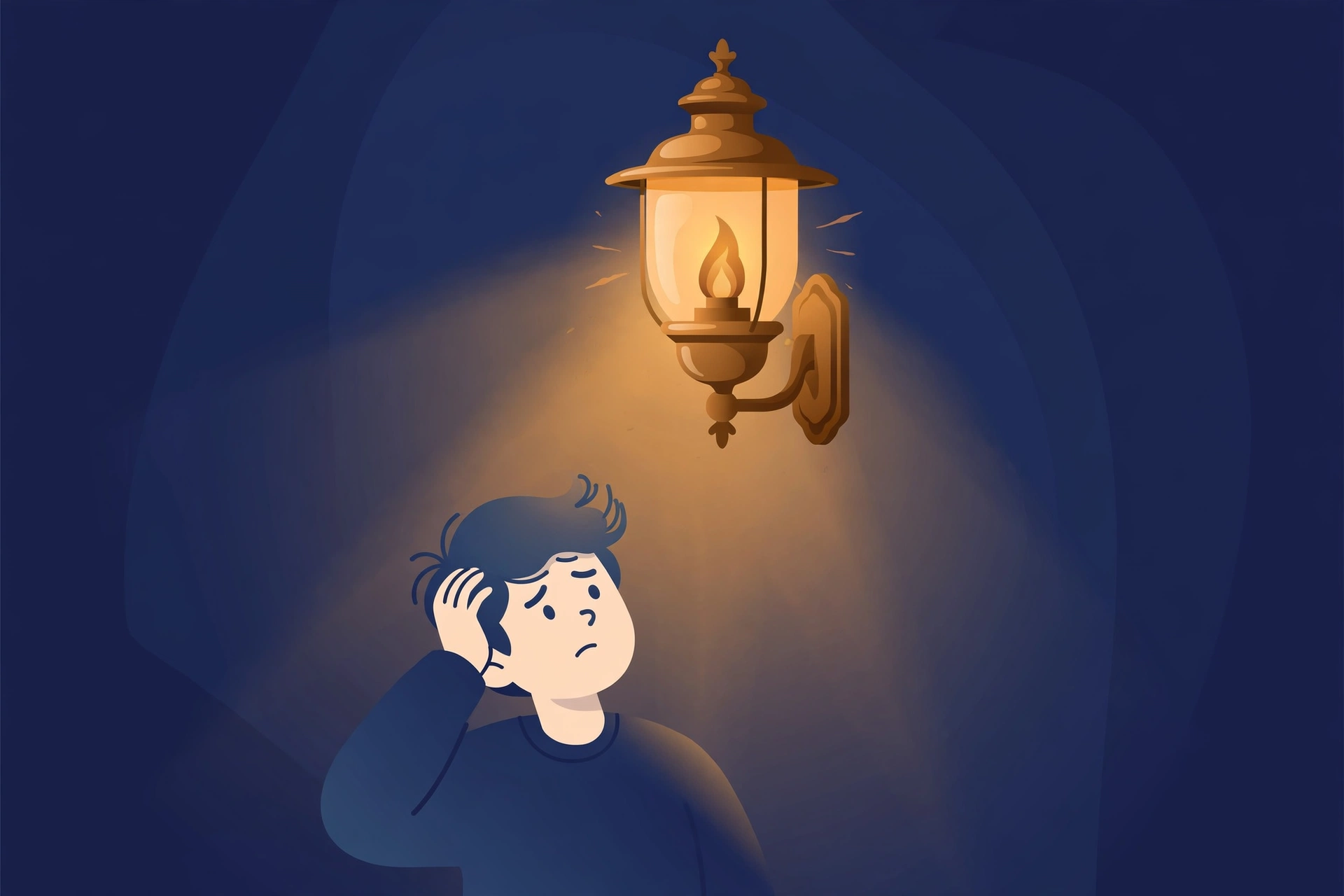
The term comes from the 1938 play Gas Light by Patrick Hamilton (and the famous films based on it). In the story, a husband tries to convince his wife she’s going insane: his mysterious activities in the attic cause the house’s gas lamps to dim, but he insists the lights aren’t dimming and that she can’t trust her own perceptions.
When the word entered general use in the mid-20th century, it referred to exactly that kind of deception. In the current century it broadened into the simpler, wider sense of grossly misleading someone — keeping company with modern deception terms like “fake news” and “deepfake.” Its explosion across personal, political, and workplace contexts is what made it Merriam-Webster’s Word of the Year for 2022: as the dictionary’s editors put it, in an age of misinformation, “gaslighting has emerged as a word for our time.”
What Gaslighting Is Not
Because the word went viral, it’s now thrown at any disagreement — and that dilutes a term that describes something serious. Gaslighting is not:
- A single lie. One falsehood, even a big one, isn’t a pattern of reality-distortion.
- A disagreement. Someone seeing events differently than you isn’t manipulating you.
- Being wrong. Honest mistakes and bad memory aren’t gaslighting — intent and pattern matter.
- Any argument you lost. Losing a debate doesn’t mean your reality was attacked.
A useful test: does the person consistently deny things you know happened, rewrite shared history, or treat your normal reactions as evidence you’re unstable? One incident is a red flag; a pattern is the thing itself. Related manipulation terms like love bombing and trauma bond often appear in the same conversations — and the same relationships.
How Do You Use “Gaslighting” in a Sentence?
- “He kept insisting the conversation never happened, and she started to wonder if she was gaslighting herself.”
- “Telling employees the layoffs are ‘a growth opportunity’ feels like corporate gaslighting.”
- “The article accused the campaign of gaslighting voters about the timeline.”
- “She realized the constant ‘you’re overreacting’ comments were gaslighting, not honesty.”
- “There’s also ‘medical gaslighting’ — when a professional dismisses a patient’s real symptoms as all in their head.”
Frequently Asked Questions
Merriam-Webster’s top definition: the psychological manipulation of a person, usually over an extended period, that causes the victim to question the validity of their own thoughts, perception of reality, or memories — typically leading to confusion, lost confidence, and dependency on the perpetrator.
From the 1938 play Gas Light by Patrick Hamilton, in which a husband dims the house’s gas lamps and then denies it, trying to make his wife believe she’s losing her mind. The term entered general use in the mid-20th century.
Merriam-Webster chose it after lookups rose 1,740% in 2022 — and notably, no single event drove the spike. Interest was steady all year, reflecting how the word had spread across relationships, politics, workplaces, and medicine simultaneously.
No. Disagreement, honest mistakes, and even lying are not gaslighting by themselves. Gaslighting requires a sustained pattern aimed at making someone distrust their own perception of reality.
When a healthcare professional dismisses a patient’s symptoms or illness as “all in your head,” undermining the patient’s trust in their own body. It’s one of the institutional contexts where the term is now commonly used.
People use the phrase “gaslighting myself” to mean doubting their own memory or judgment — but strictly, gaslighting describes one party manipulating another. Self-doubt, second-guessing, and intrusive thoughts are real experiences; they’re just better described with words like “self-doubt” or “impostor syndrome” than with a term built for interpersonal manipulation.