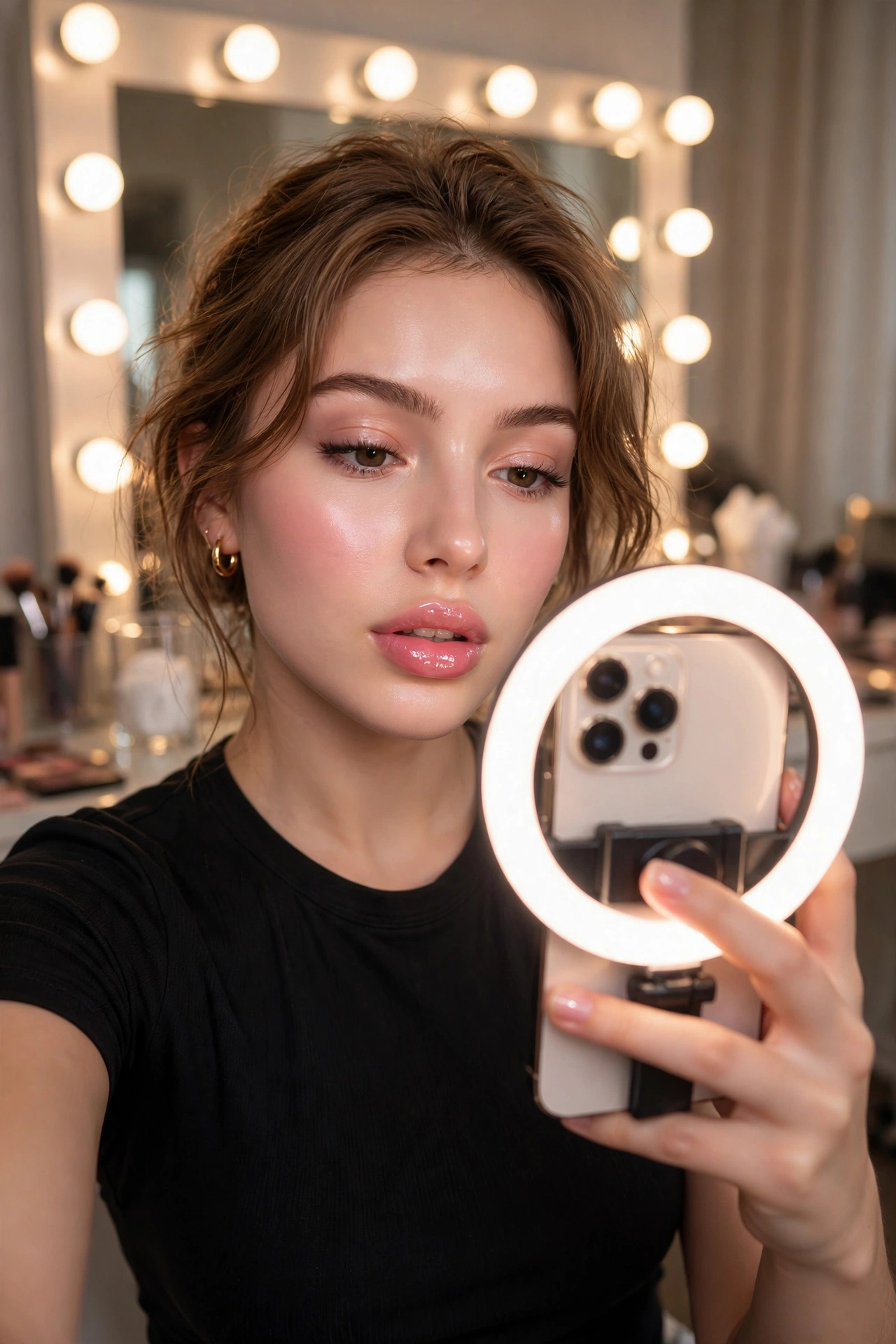
What Does Calling Someone “Polyester” Mean? The Short Answer
Calling someone **”polyester”** means calling them **fake** — artificial, overly manufactured, trying too hard to look perfect. It’s a metaphor: polyester is a cheap synthetic fabric that imitates nicer materials, so a “polyester person” is someone whose looks, personality, or lifestyle feel manufactured rather than real.
It’s an insult, but a **style insult** — it attacks how curated and inauthentic someone seems, not their character.
Where Did the “Polyester” Insult Come From?
The noun “polyester” has been in English since the mid-20th century, and its use as a **metaphor for cheapness and artificiality** is much older than the internet — think of “polyester suit” as shorthand for tacky in 1970s comedy. What’s new is Gen Z turning it into a **personal insult**: “you’re so polyester” or “she’s giving polyester.”
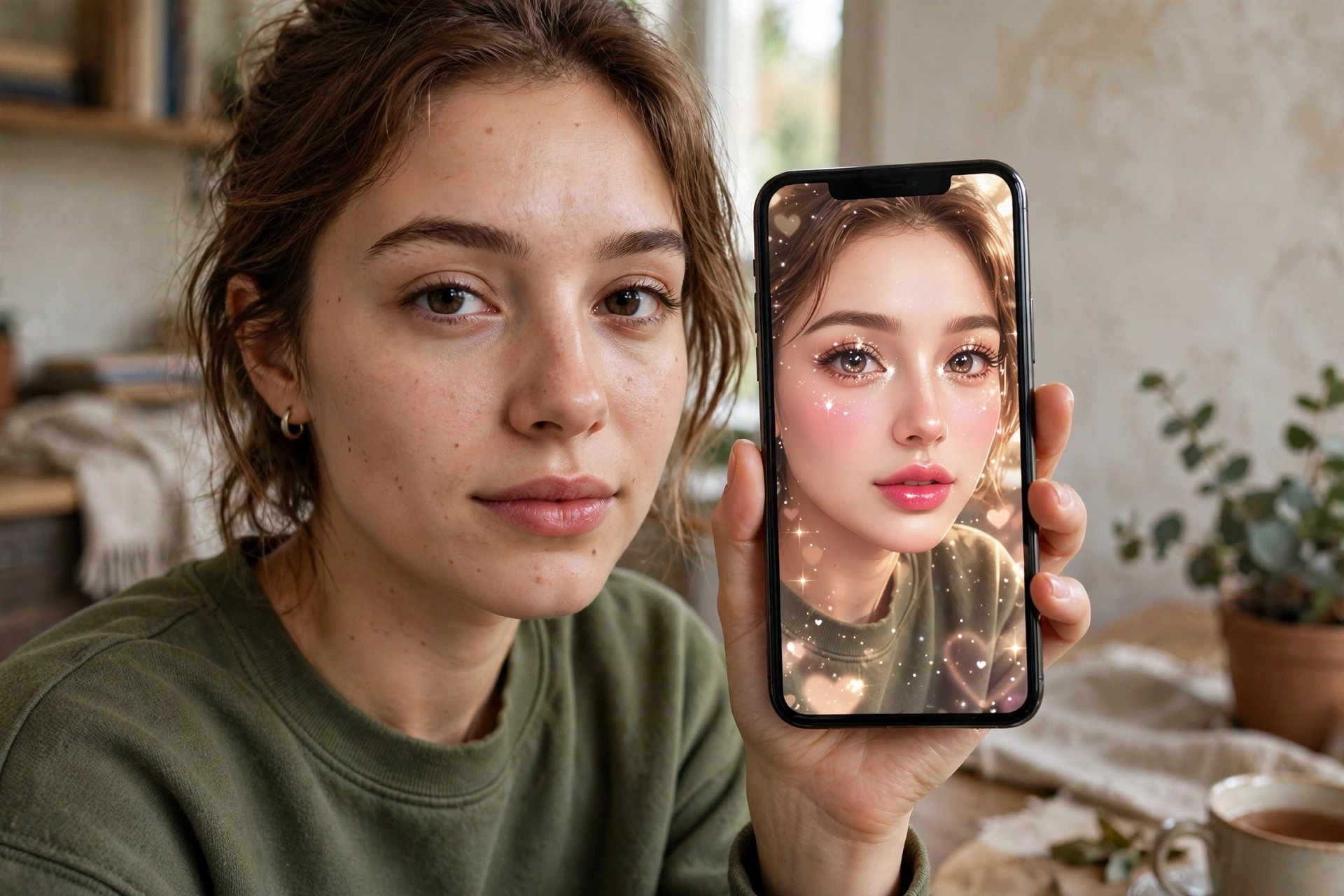
The insult sense got fresh press in September 2026, with outlets like People and the Times of India covering it as a rising put-down — the accusation being that someone’s whole presentation (face, body, feed, personality) is **synthetic and over-processed**, like fast-fashion fabric pretending to be silk.
How People Use “Polyester” as an Insult (Examples)
– About looks: *”All that filler and those filters — she’s straight-up polyester.”*
– About lifestyle: *”His whole ‘luxury’ feed is polyester. We know he rents that car.”*
– As a vibe check: *”That influencer’s apology video felt so polyester.”*
– About personality: *”His motivational-speak pep talks are pure polyester — not one real word in them.”*
– About dating profiles: *”Ten years and three filters old — those profile pics are total polyester.”*
– About ads: *”That ‘authentic handmade’ commercial felt polyester from the first frame.”*
It’s almost always aimed at **public-facing fakery** — heavy filters, obvious cosmetic work worn as “natural,” or a lifestyle that reads as rented. It’s the opposite of a compliment about authenticity.
“Polyester” vs Similar Insults
| Insult | What it attacks | Tone |
|—|—|—|
| **Polyester** | Fakeness, over-curation, artificiality | Style/culture insult, mocking |
| **[Chopped](https://wordssensei.com/chopped-meaning/)** | Unattractiveness | Blunt appearance insult |
| **Fake** | Dishonesty in general | Plain, all-purpose |
“Polyester” is the **aesthetic** insult in the family — it’s about the *manufactured* quality, not just looks.
Common Mistakes
– **Using it for actual fabric.** In a clothing store, “polyester” is just a material. The insult only works as slang between people.
– **Aiming it at someone’s real insecurities.** Like [larping](https://wordssensei.com/larping-meaning/) accusations, calling a real person “polyester” to their face is bullying, not banter.
– **Confusing it with “plastic.”** “Plastic” is the older version of this insult. “Polyester” is its 2026 upgrade — same energy, fresher word.
Related slang: larping — slang for faking a whole lifestyle, explained. Chopped — the blunt appearance insult, explained with examples.
Frequently Asked Questions
What does it mean when someone calls you polyester?
They’re calling you fake or overly manufactured — like the synthetic fabric, all surface and no substance. It’s an insult about inauthenticity.
Is “polyester” a compliment or an insult?
An insult — it means someone seems artificial, over-filtered, or trying too hard to look perfect.
Where did the polyester insult come from?
From the fabric’s reputation as a cheap synthetic imitating nicer materials; the personal-insult sense spread through Gen Z slang and got mainstream coverage in September 2026.
What’s the difference between “polyester” and “plastic” as insults?
Same idea (fake, artificial), different eras — “plastic” is the 2000s version, “polyester” is the current slang upgrade.
Can “polyester” ever be positive?
Practically never as slang. As a fabric noun it’s neutral — the insult lives entirely in the metaphor.
What does “she’s giving polyester” mean?
It’s the same insult phrased as a vibe check — her look or persona reads as manufactured and over-curated.
Is calling someone “polyester” bullying?
It can be. Calling a real person “polyester” to their face is bullying, not banter — save the word for commentary, not confrontation.
Why is “polyester” trending as an insult now?
Because it nails the current frustration with over-filtered feeds and curated personas — the word already meant tacky and artificial, so Gen Z just aimed it at people.